Skilled Fence Repair Services: Bring Back Your Fence's Beauty and Performance
Skilled fence repair services play an essential role in preserving the aesthetic and functional quality of various properties. Fences experience a wide range of damage, from rot to pest infestation, which can compromise security and property value. Qualified experts examine these problems thoroughly and devise efficient repair approaches. Grasping the complexities of fence repair can considerably affect long-term preservation. What actions should property owners explore when addressing these concerns?
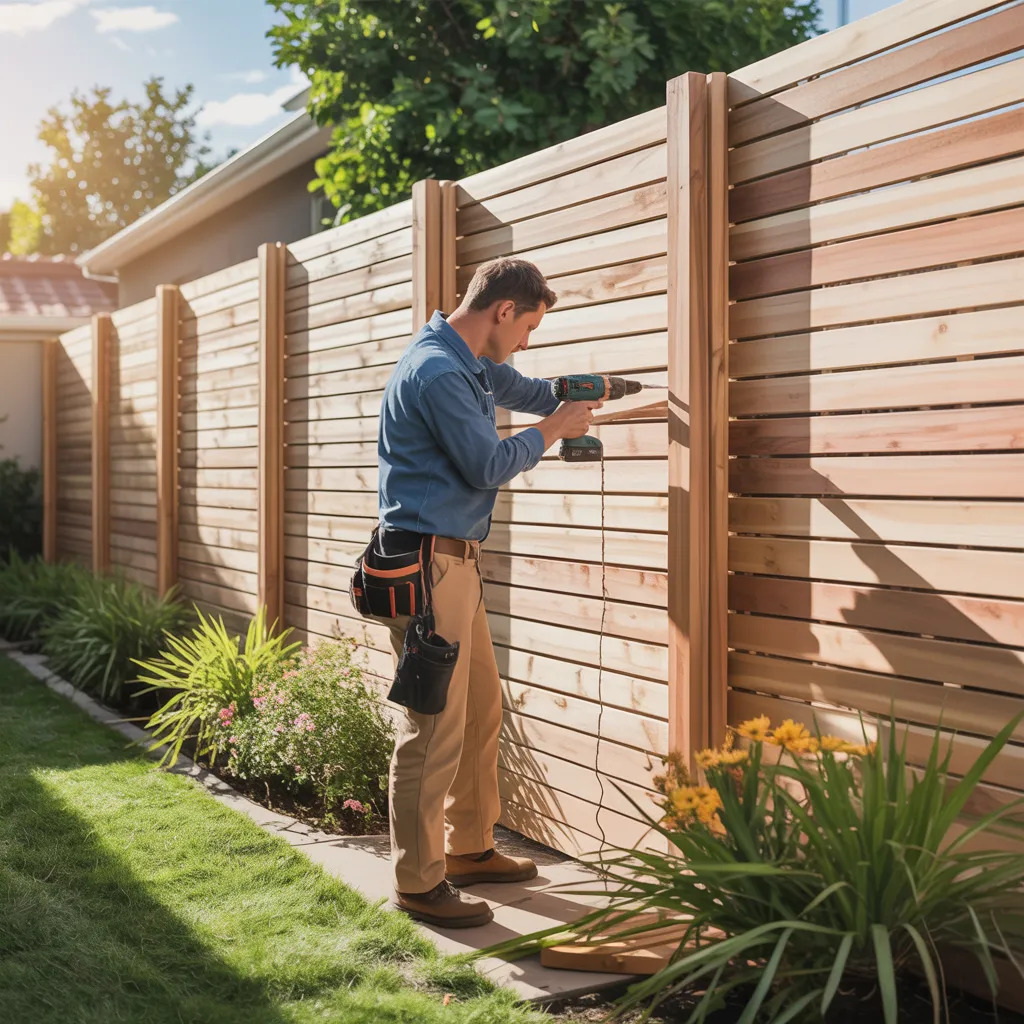
Why Fence Repair Matters for Property Value and Safety
Keeping a well-maintained fence is crucial for safeguarding both property value and safety. A durable and visually attractive fence improves the general appearance of a property, raising its appeal to those looking to purchase. A complete and undamaged fence establishes clear boundaries, giving both residents and their pets a safe and secure environment. Failing to address fence maintenance can result in gradual decay, ultimately reducing the worth of the property and creating greater safety concerns.
Additionally, a compromised fence can draw in unwanted visitors and animals, posing potential safety hazards. Early repairs can prevent escalating issues, making sure the fence fulfills its role properly. Routine upkeep also prolongs the life of the fence, allowing property owners to cut down on future expenses. In the end, making fence repair a priority not only safeguards the structure but also enhances the overall safety and visual appeal of the property.
Frequent Types of Fence Damage and Their Origins
Fences commonly experience damage due to various environmental and biological factors. Climate-related concerns, such as heavy rain, snow, or extreme heat, can weaken materials and lead to structural problems. Furthermore, pest invasions can undermine the stability of a fence, making timely repairs essential for upholding safety and visual appeal.
Weather-Induced Damage Factors
Severe weather conditions can significantly impact the stability of fences, causing numerous damage. Strong winds often cause panels to bend or break, while heavy rain can lead to oversaturated earth that compromises the base of the fence. Snow accumulation can add weight, causing damage or structural failure, especially in wood-based fence structures. Moreover, extreme temperatures can cause materials to expand or contract, leading to cracks and warping. UV exposure from intense sunlight can break down finishes and erode material strength over time. These environmental influences not only affect the aesthetic appeal of a fence but also its structural efficiency, making timely repairs essential to preserve structural soundness and maintain property value. Periodic assessments can help detect underlying problems before they worsen.
Pest Infestation Problems
Pest invasions can gradually deteriorate the integrity of a fence, resulting in significant deterioration over time. Common culprits include termites, which attack wooden structures, creating structural weakness and potentially collapse. Carpenter ants, equally damaging, excavate wood to establish nests, additionally weakening the fence's stability. Additionally, rodents may gnaw through fencing materials, looking for shelter or food. These infestations often go unnoticed until the damage is extensive, requiring costly repairs or replacements. Regular inspections and prompt treatment are essential to minimize these risks. Through early intervention on pest problems, homeowners can preserve the beauty and functionality of their fences while preventing long-term damage brought about by these invasive species.
How to Spot Fence Damage
A complete assessment can reveal various evidence of fence deterioration that could easily go unnoticed. Residents should begin by examining the support posts for rot or decay, commonly discovered at the base where moisture gathers. Visible cracks or bending in the wood can suggest structural instability. Additionally, examining for absent or unsecured nails and screws is essential, as these can compromise the fence's integrity.
An additional key consideration is to assess the panels for bending or tilting, which could indicate underlying issues. Metal fences should be checked for rust or corrosion, while vinyl fences might display color loss or surface cracks. Lastly, spaces where the fence meets the ground can signal soil erosion or pest infiltration. Regular inspections enable homeowners to identify these issues early, allowing for quick resolutions that copyright the fence's functionality and aesthetic appeal.
What Do Fence Repair Specialists Do?
Fencing repair professionals evaluate and resolve various concerns to reinforce and preserve the overall condition of fence installations. They initiate the process with a thorough inspection, locating issues including deteriorating planks, corroded fasteners, or compromised stability. Once the problems are pinpointed, the experts design a customized restoration strategy that may include swapping out compromised components, using sealant applications, or stabilizing weakened structures.
Alongside physical repairs, professional fence specialists further extend care recommendations to prolong the lifespan of the fence. This can include recommendations for periodic evaluations, cleaning, and defense against pests and weather-related wear. If necessary, they can provide guidance on selecting suitable materials that match the existing fence style while securing lasting strength. Ultimately, their professional knowledge ensures that the fence delivers both visual appeal and reliable functionality, enhancing the property's security and overall value.
Why Hire a Fence Repair Expert?
Why should property owners consider hiring a fence repair expert? Hiring a professional ensures that repairs are completed with efficiency and precision, protecting the structural integrity of the fence. Skilled specialists bring the essential capabilities, instruments, and insight needed to properly assess damage and execute the right solutions. This level of knowledge is valuable in detecting concealed concerns that an untrained individual may overlook, helping to prevent problems from arising in the future.
In addition, experts are highly knowledgeable about local regulations and can guarantee adherence to the rules, avoiding possible legal problems. Working with an expert also eliminates unnecessary time loss; property owners can avoid the trial-and-error approach often associated with DIY repairs. Furthermore, a well-repaired fence enhances property aesthetics and value, providing a return on investment. Ultimately, home owners can experience peace of mind knowing their fence is managed by qualified hands, enabling them to direct their attention to other essential elements of property care.
DIY or Professional Fence Repair: Which Option Is Right for You?
When evaluating fence repair, one must evaluate one's own abilities and the time investment required for the task. Additionally, a financial comparison between DIY efforts and working with a professional contractor can greatly influence the decision. Taking these aspects into account will assist in identifying the most effective solution for fence repair.
Examine Your Skills Honestly
Determining whether to tackle fence repair on your own or hire professional help depends on an candid evaluation of one's skills. People should carefully assess their familiarity with equipment and experience with fencing materials. People who have experience in home repairs may feel capable handling small fixes, such as replacing boards or tightening nails. Conversely, complicated problems like major structural issues or electrical elements require expert understanding that may surpass what an inexperienced person can handle. Moreover, evaluating your physical capacity is important; fence repair can demand considerable effort. At the end of the day, recognizing personal limitations can avoid expensive errors and guarantee that repairs restore the fence's functionality and aesthetic appeal. Taking a thoughtful approach will lead to a greater sense of satisfaction, whether opting for a DIY approach or hiring a professional.
Determine Time Commitment Required
How much time one has available for fence repair can heavily impact the decision between a DIY approach and bringing in a professional. Homeowners should carefully consider their time constraints and availability. A do-it-yourself project may seem appealing, but it often requires a significant time investment, most notably for inexperienced homeowners. Activities including taking out old materials, taking measurements, and putting in new sections can be quite demanding in terms of time. On the other hand, experienced professionals contribute efficiency and know-how, often completing repairs in a fraction of the time. In evaluating the time involved, people should also consider potential delays due to weather or unforeseen complications. At the end of the day, a solid grasp of available time can guide homeowners toward the most suitable option for their fencing repair requirements.
Comparing Costs: DIY vs. Pro
When evaluating the costs of handling fence repairs independently against enlisting professional help, homeowners must take into account not only the monetary expense but also the value of their time and effort. Self-managed repairs often appear less expensive upfront, primarily involving material costs. However, homeowners must consider the risk of missteps, which can result in additional expenses. In contrast, hiring professionals may have higher initial fees, but they offer expertise, quality workmanship, and a warranty, ensuring enduring value. Evaluating the complexity of the repair is essential; straightforward issues may lend themselves to DIY, while extensive damage may call for professional intervention. Ultimately, the decision copyrights on weighing short-term expenses against long-term gains and the homeowner's confidence with DIY tasks.
How to Maintain Your Fence After Repairs
After completing fence repairs, homeowners should focus on proper upkeep to extend the lifespan of their investment. Frequent inspections are crucial; looking for loose boards, rust, or evidence of rot can prevent minor issues from escalating. Cleaning the fence periodically with a gentle soap solution helps remove dirt and mildew, preserving its appearance.
Moreover, applying a sealant or stain for protection every few years will guard the fence material from weather damage and UV rays. Homeowners should also be sure that nearby plants are kept trimmed to prevent overgrowth from damaging the fence.
Adequate drainage is essential; confirming that water does not pool near the base of the fence can reduce moisture-related description damage. Finally, keeping a clear perimeter around the fence helps prevent unintentional contact from yard tools or large objects. Following these tips will help maintain the fence's beauty and functionality long after repairs are completed.

Frequently Asked Questions
How Long Should You Expect a Common Fence Repair to Take?
A typical fence repair generally takes from a few hours up to a couple of days, based on the severity of the damage and the type of materials used. Weather conditions and other factors may also affect the timeframe.
What Materials Are Best for Fence Repairs?
Wood, vinyl, and metal are ideal materials for fence repairs. Each option comes with its own set of benefits: wood provides aesthetics, vinyl ensures long-lasting performance, and metal provides superior strength. Picking the best material is determined by particular needs and surrounding environmental elements.
Can I Paint My Fence After Repairs?
After repairs, painting a fence is entirely feasible and commonly suggested. Doing so boosts visual appeal while also delivering protective benefits. It's crucial to verify the surface is clean and dry before applying paint for best adherence and longevity.
Are Home Repairs Covered Under Homeowners Insurance?
Repairs may be covered by homeowners insurance, subject to the policy conditions and the reason for the damage. Homeowners should review their specific coverage details or consult their insurance provider for clarification on repair eligibility.
What Can I Do if My Fence Is Leaning?
When a fence begins to lean, the homeowner ought to determine the underlying cause, including rot or ground erosion. Stabilizing the posts or correcting the alignment could be needed, and hiring a professional may provide a lasting resolution.